
A Commercial Tapioca Pearl Mixer is a practical machine used by milk tea shops, beverage stores, and dessert shops to mix cooked tapioca pearls with brown sugar syrup, fructose syrup, or sugar solution. Compared with manual stirring, it keeps the pearls moving evenly, reduces clumping and sedimentation, and lowers repetitive staff workload.
A commercial tapioca pearl mixer continuously and evenly turns cooked pearls, helping brown sugar syrup or sugar solution coat the surface more thoroughly. Compared with long periods of manual stirring, it reduces repetitive work and allows staff to focus on drink preparation, order packing, ingredient refilling, and shop cleaning.
For milk tea shops, beverage chains, and central kitchens with high pearl consumption, professional mixing equipment supports a more standardized production process and improves consistency between operators and batches.
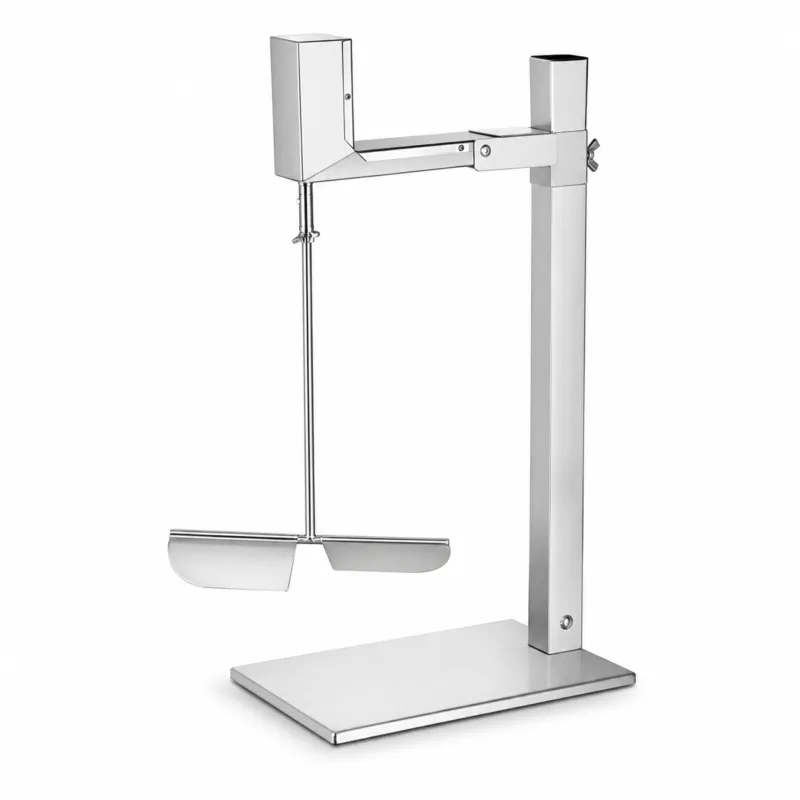
What Is a Commercial Tapioca Pearl Mixer?
A commercial tapioca pearl mixer is a beverage-shop support machine designed specifically for mixing cooked tapioca pearls with syrup. The mixing paddles continuously move the pearls inside the container, helping brown sugar syrup, fructose syrup, sugar solution, or other flavoring liquids coat the pearl surface more evenly.
The machine is not intended for crushing, grinding, or high-speed blending. Instead, it gently and continuously turns cooked tapioca pearls. Proper operation helps reduce pearl accumulation, bottom sedimentation, and clumping, creating more consistent color, sweetness, and texture.
The article can direct readers to the specific product page, where they can view product images, specifications, pricing, and purchasing information.
Our Commercial Tapioca Pearl Mixer helps beverage shops reduce manual stirring and achieve more even mixing between cooked pearls and syrup.
Why Do Milk Tea Shops Need a Tapioca Pearl Mixer?
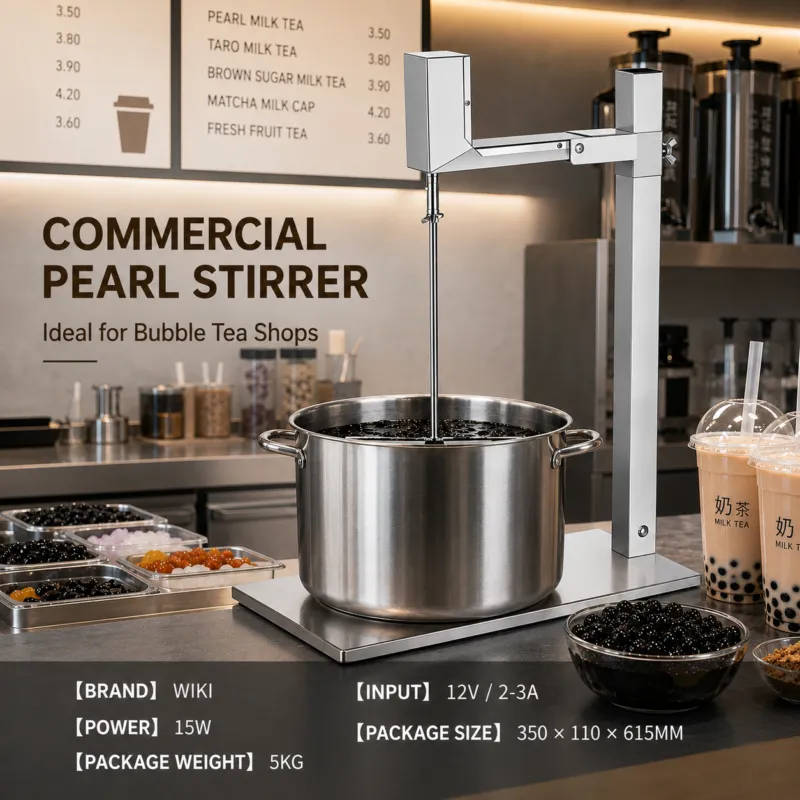
Cooked tapioca pearls contain a high amount of starch. When left standing for too long, the pearls may stick together and form large clumps. Thick syrup may also collect at the bottom of the container, causing differences in sweetness between the upper and lower layers.
Manual mixing requires staff to continuously monitor the pearls. During peak service periods, employees must also take orders, seal cups, prepare drinks, clean tools, and refill ingredients, making it difficult to remain beside the pearl container for long periods.
A tapioca pearl mixer continuously moves the pearls and helps maintain a more even mixture of pearls and syrup. For shops that prepare several batches every day, it reduces repetitive labor and supports a standardized operating process.
The main benefits include:
- Reducing clumping caused by long periods of standing
- Helping syrup coat more of the pearl surface
- Reducing repetitive manual stirring
- Improving consistency between production batches
- Allowing staff to manage other tasks during peak hours
- Supporting a more standardized preparation workflow
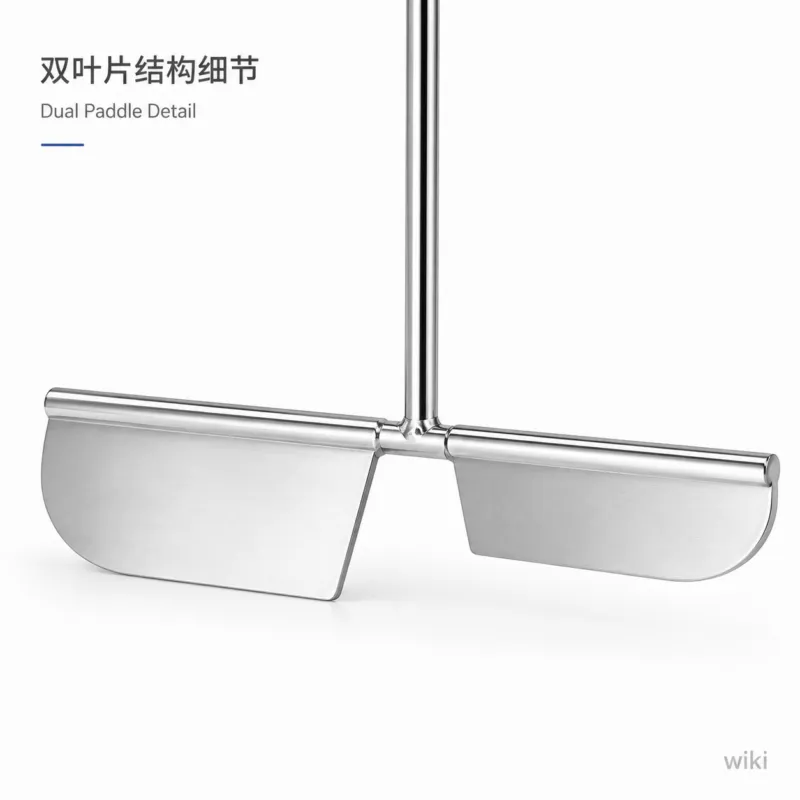
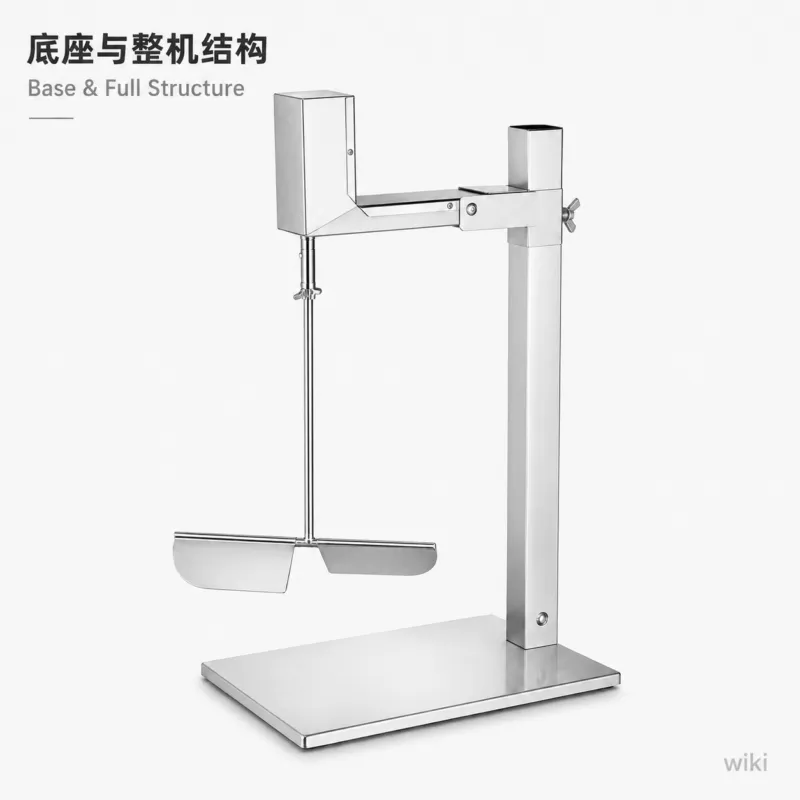
Dual-Paddle Structure for More Even Mixing
The machine features a dual-paddle structure. The two paddles move the pearls and syrup from different positions, keeping the ingredients in continuous motion.
The wide paddles provide a larger contact area with the pearls. Compared with narrow mixing rods, wide paddles are more suitable for granular tapioca pearls and help reduce accumulation on one side or at the bottom of the container.
During operation, the paddles should enter the pearls at a suitable depth. If they are too high, the pearls near the bottom may not be mixed sufficiently. If they are too low, the paddles may contact the container bottom and cause noise or wear.
Even movement helps more pearls contact the syrup, improving consistency in color, sweetness, and texture. Actual results may vary according to pearl quantity, syrup thickness, container size, and mixing time.
Adjustable Arm for Different Container Sizes
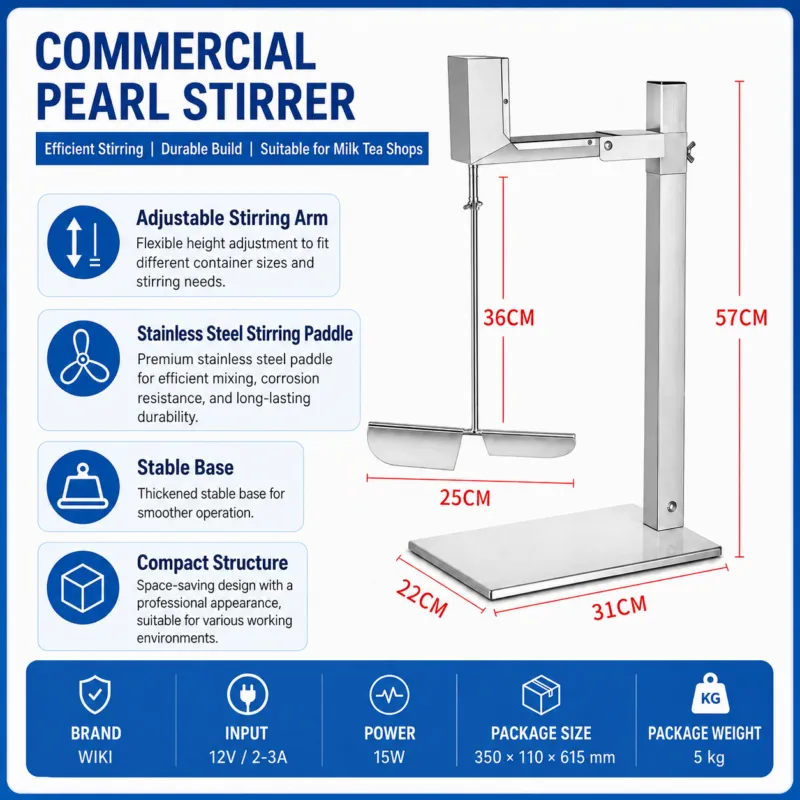
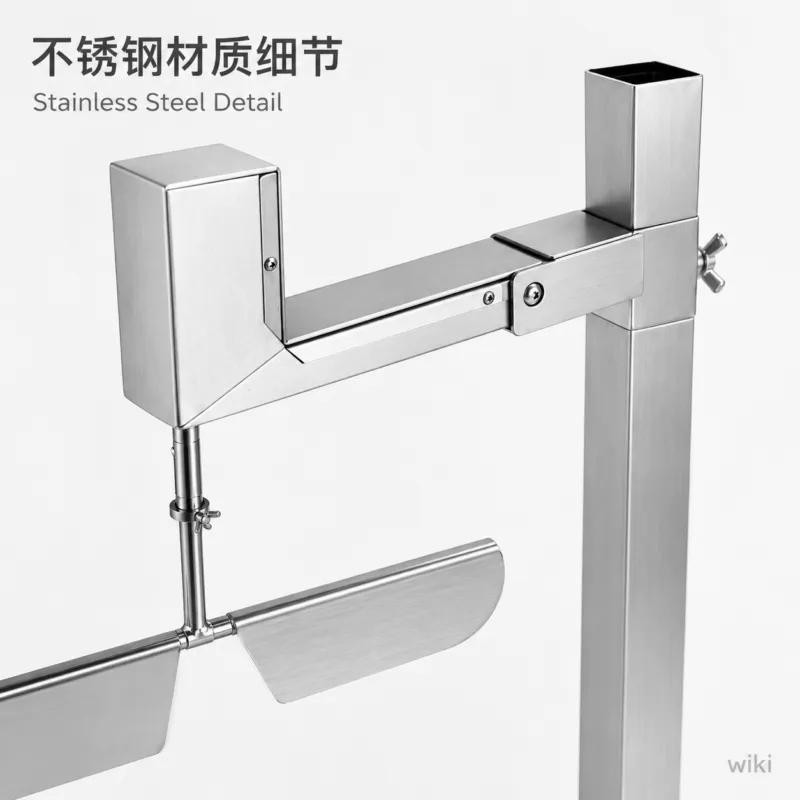
The tapioca pearl mixer features an adjustable horizontal arm, vertical column, and locking knobs. The position can be adjusted according to the height, width, and required mixing location of the container.
Operators can move the arm to align the paddles with the center of the container and adjust the paddle depth according to the pearl quantity. After positioning, the locking knobs must be securely tightened to prevent movement during operation.
The adjustable structure can work with different pearl containers, syrup buckets, and food containers. However, the container must provide enough internal space for the paddles to rotate normally.
A suitable distance should be maintained between the paddles and the container bottom or side walls. Continuous contact may cause:
- Increased operating noise
- Scratches on the container
- Paddle or connecting-rod deformation
- Excessive machine movement
- Poor pearl-mixing performance
Stainless Steel Construction for Easier Cleaning
The main frame, support structure, connecting rods, and mixing paddles are made of stainless steel. The clean appearance is suitable for milk tea shops, dessert stores, restaurants, and central kitchens.
The stainless steel surfaces are convenient for routine wiping. Tapioca pearls and brown sugar syrup contain a high amount of sugar. If the equipment is not cleaned promptly, dried syrup may stick to the paddles, connecting rods, and other components.
All parts that contact pearls and syrup should be cleaned after every use. After cleaning, the components should be dried before reassembly or storage.
Steel wool, metal spatulas, and sharp tools are not recommended because they may scratch the stainless steel surfaces.
Wide Flat Base for Improved Stability
The machine uses a wide flat base that increases contact with the worktop and helps keep the tapioca pearl mixer stable during operation.
The unit should be placed on a level, strong, and dry worktop. Do not use it on an inclined, uneven, or slippery surface.
When using a large container, a large quantity of ingredients, or thick syrup, check the following before starting:
- Whether the base is stable
- Whether the vertical column is securely installed
- Whether the horizontal arm is locked
- Whether the connecting rods are loose
- Whether the paddles are correctly installed
- Whether the container is centered below the paddles
- Whether the paddles maintain a suitable distance from the container
What Ingredients Can a Tapioca Pearl Mixer Handle?
A commercial tapioca pearl mixer is mainly used for mixing cooked pearls with syrup, including:
- Brown sugar tapioca pearls
- Original tapioca pearls
- Golden tapioca pearls
- Amber tapioca pearls
- Cooked cassava pearls
- Pearls with brown sugar syrup
- Pearls with fructose syrup
- Pearls with sugar solution
- Other similar granular beverage toppings
The machine is not suitable for crushing hard ingredients or high-speed blending. Before using other ingredients, confirm that the ingredient weight, viscosity, particle size, and container dimensions are suitable for the machine.
Explore our Commercial Milk Tea Equipment collection to build a more complete equipment solution for your beverage shop.
How to Operate a Commercial Tapioca Pearl Mixer
- Place the tapioca pearl mixer on a flat, sturdy, and dry work surface.
- Check that the base, vertical column, horizontal arm, connecting rods, and locking knobs are securely installed.
- Pour the tapioca pearls into the pot, then switch on the induction cooker.
- Add the appropriate amount of brown sugar syrup, fructose syrup, or sugar solution according to the recipe.
- Position the container holding the tapioca pearls and syrup beneath the mixing paddles.
- Adjust the horizontal arm according to the height of the container.
- Adjust the height of the mixing paddles so that they are properly immersed in the tapioca pearls.
- Make sure the paddles do not touch the bottom or inner walls of the container.
- Tighten the horizontal arm and all locking knobs securely.
- Connect the machine to the power supply and switch it on.
- Observe the movement of the tapioca pearls, syrup, and mixing paddles during operation.
- Adjust the mixing time according to the quantity of tapioca pearls and the thickness of the syrup.
- Switch off the machine once the tapioca pearls and syrup are evenly mixed.
- Wait until the paddles have completely stopped before removing the container.
- Clean the mixing paddles and connecting components promptly after use.
Important Operating Precautions
Do not place hands, spoons, tongs, or other tools inside the container while the machine is operating. Switch off the machine and wait for the paddles to stop completely before adjusting the paddles, container, or ingredients.
Do not add an excessive quantity of pearls or extremely thick syrup at one time. Excessive loading may increase operating resistance and reduce mixing performance.
The paddle depth should be appropriate. If the paddles are too shallow, the pearls near the bottom may not be mixed sufficiently. If they are too deep, they may hit the container bottom.
Stop using the machine immediately if any of the following occurs:
- Unusual noise
- Excessive movement
- Horizontal arm movement
- Paddles hitting the container
- Loose connectors
- Paddle or connecting-rod deformation
- Abnormal power cable or switch condition
Tapioca Pearl Mixer vs. Manual Mixing
Manual mixing requires staff to continuously use a spoon or mixing tool. A tapioca pearl mixer continuously moves the pearls and syrup.
Long periods of manual stirring may cause fatigue. The machine reduces repetitive mixing work.
Manual results depend on operator experience and mixing time. The machine supports a more standardized process.
Manual stirring may leave some pearls with insufficient syrup coverage. Continuous movement helps syrup coat more pearls.
Manual stirring requires continuous attention. A machine allows staff to manage other beverage-preparation tasks.
What Is the Difference Between a Pearl Mixer and a Pearl Cooker?
A tapioca pearl mixer and a pearl cooker perform different functions.
A Commercial Tapioca Pearl Cooker is mainly used for heating, cooking, and resting tapioca pearls. After cooking, the pearls still need to be drained, combined with syrup, and mixed.
A Commercial Tapioca Pearl Mixer is mainly used to evenly mix cooked pearls with brown sugar syrup, fructose syrup, or sugar solution.
Stores with high pearl consumption can use both machines to create the following workflow:
Cooking → Resting → Draining → Adding Syrup → Mixing → Storage and Serving
Explore our Commercial Tapioca Pearl Cooker and combine it with a pearl mixer to build a complete pearl-preparation workflow.
Cleaning and Maintenance
- Switch off the machine and disconnect the power supply.
- Wait until the paddles stop completely.
- Remove detachable paddles and connecting components.
- Use warm water and a soft cloth to remove syrup and pearl residue.
- Use a soft brush for difficult residue.
- Do not use steel wool, metal spatulas, or sharp tools.
- Wipe the frame, arm, and base with a slightly damp cloth.
- Do not rinse the main machine body directly with water.
- Do not allow water to enter the motor, switch, or electrical components.
- Dry all components thoroughly after cleaning.
- Reassemble the parts only after they are completely dry.
- Regularly inspect the locking knobs, rods, and paddles for looseness or deformation.
How to Choose a Suitable Tapioca Pearl Mixer
Confirm that the machine height, base dimensions, and arm length fit the available worktop.
Check whether the arm position and mixing height can be adjusted according to the container.
Confirm that the paddle width and length are suitable for the pearl container.
Choose equipment with food-contact parts that are easy to remove and clean.
Check whether the base is wide enough for stable worktop placement.
Voltage and plug standards vary by country and region and should be confirmed before ordering.
Confirm whether the package includes the pearl container, connecting rods, paddles, and other accessories.
For bulk purchasing, confirm whether private labeling and customized packaging are available.
Suitable Commercial Applications
The commercial tapioca pearl mixer is suitable for:
- Milk tea shops
- Tea beverage stores
- Brown sugar pearl drink shops
- Dessert shops
- Cafés
- Restaurants
- Beverage chains
- Shopping mall beverage kiosks
- Food-preparation rooms
- Central kitchens
- Catering equipment distributors
Recommended Milk Tea Shop Equipment
In addition to a tapioca pearl mixer, milk tea shops may also use:
- Commercial Tapioca Pearl Cooker
- Cup Sealing Machine
- Commercial Tea Brewer
- Fructose Dispenser
- Commercial Water Boiler
- Drink Shaker Machine
- Ice Maker
Wholesale Purchasing, Private Labeling, and Customized Packaging
We provide wholesale commercial tapioca pearl mixers for milk tea equipment distributors, beverage shops, restaurant chains, central kitchens, and commercial project buyers.
Available services include:
- Bulk purchasing
- Private labeling
- Customized product branding
- Customized cartons
- Voltage and plug selection
- Product catalogs and specifications
- Export packaging
- International shipping consultation
Visit our Contact Us page for product pricing, minimum order quantity, packaging dimensions, voltage options, and shipping costs.
You may also Contact Us on WhatsApp and send us your required quantity, destination country, voltage, and customization requirements.
Visit our About Us page to learn more about our factory, production capabilities, and product range.
Conclusion
A commercial tapioca pearl mixer is mainly used for evenly mixing cooked tapioca pearls with brown sugar syrup, fructose syrup, or sugar solution. Its dual-paddle structure keeps the pearls moving, the adjustable arm works with different container heights, and the stainless steel construction simplifies routine cleaning.
For milk tea shops, dessert stores, beverage chains, and central kitchens with high pearl consumption, the machine reduces repetitive manual work and supports more consistent production.
View our Commercial Tapioca Pearl Mixer product page for detailed specifications, wholesale pricing, and customization services.